

Godine 2004. pokrenuti su Fejsbuk, Gmail i Nintendo DS. Nije bilo ajfona, Jutjuba, Spotifaja niti striming Netfliksa kakav danas poznajemo. Ako ste tada u Srbiji bili navijač engleske Premijer lige, velike su šanse da ste utakmice gledali na BK televiziji.
Iste te godine Arsenal je celu sezonu Premijer lige 2003–04 završio bez poraza, postavši „Nepobedivi“ i produživši neverovatan niz koji će na kraju dostići 49 utakmica bez poraza.
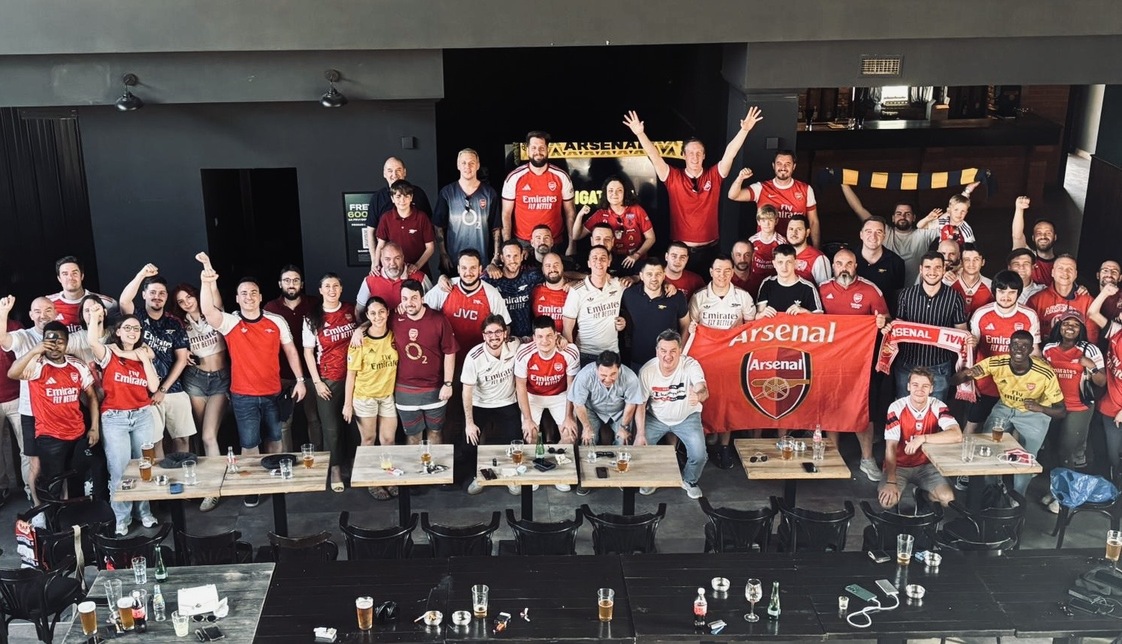
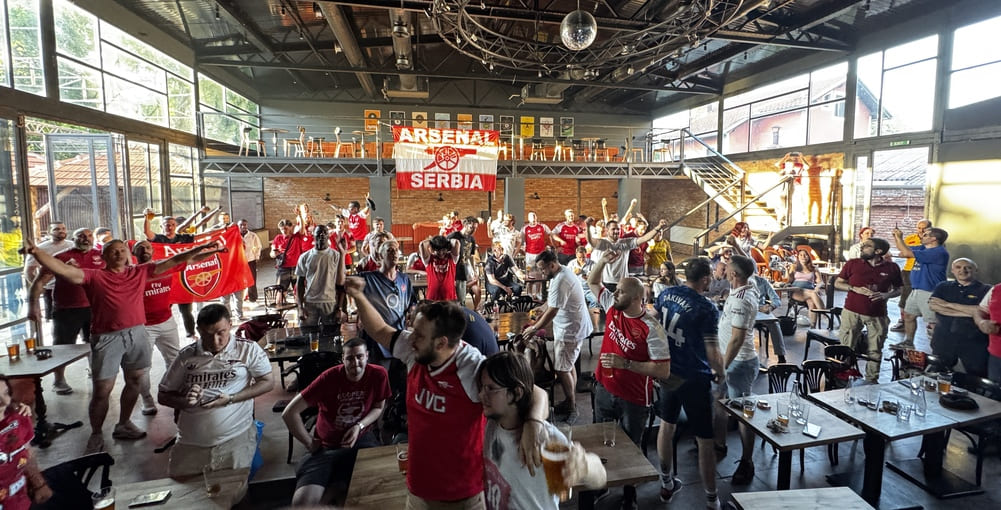
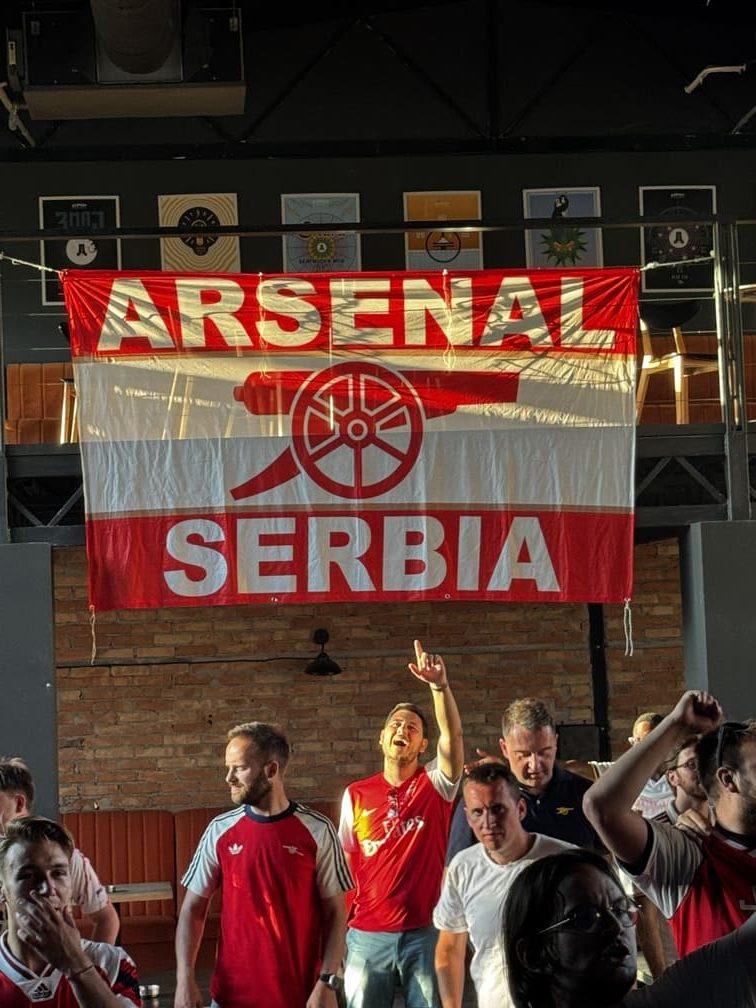
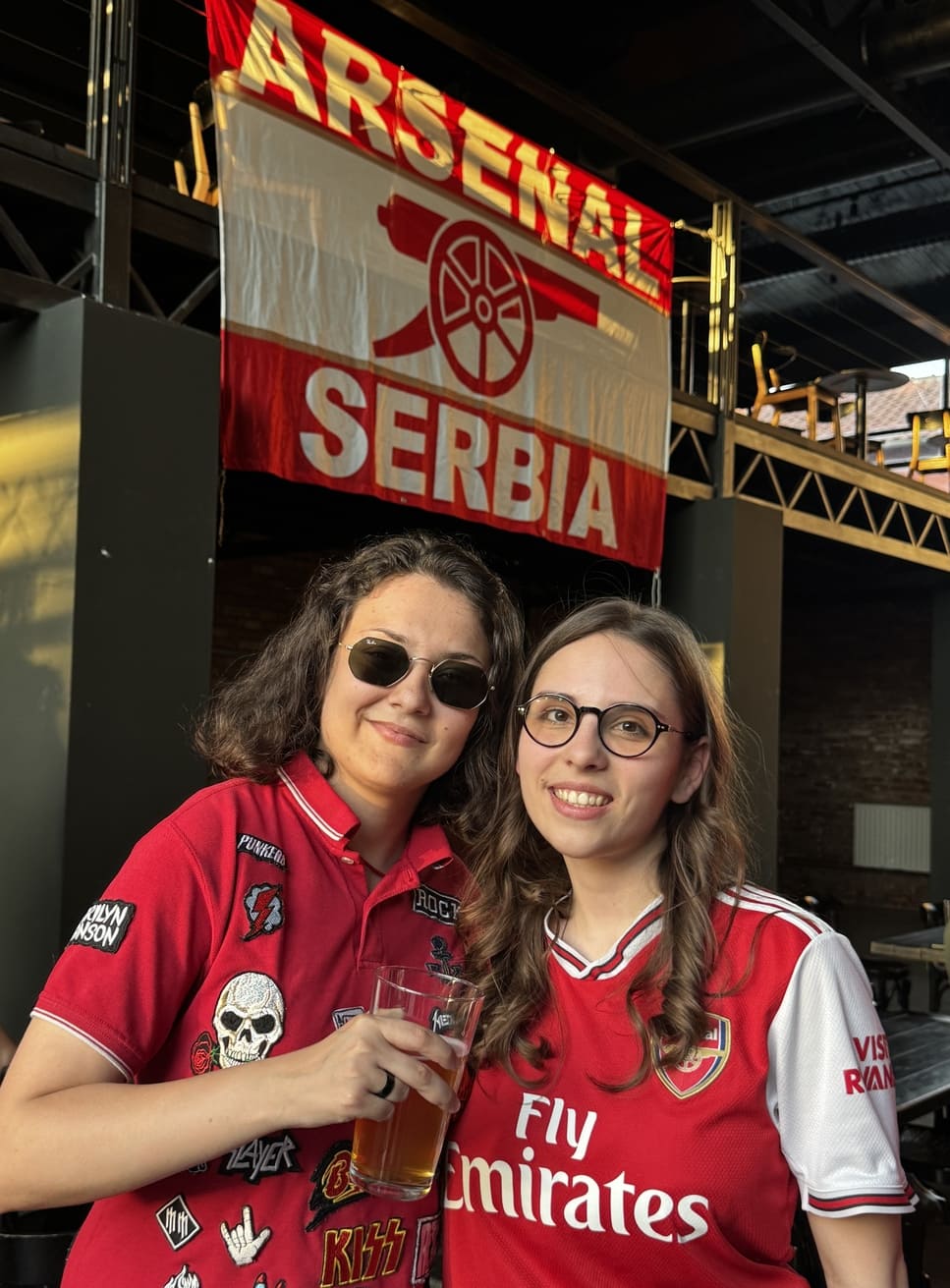
Premotajmo vreme do 24. maja ove godine. Gotovo 100 Arsenalovih navijača iz cele Srbije – uključujući članove četiri zvanične navijačke grupe kluba u Beogradu, Novom Sadu, Smederevu i Obrenovcu – okupilo se u Beogradu kako bi proslavili prvu Arsenalovu ligašku titulu od 2004. godine.

Za mnoge, uključujući potpredsednika kluba Miloša Vukelića, koji Arsenal podržava više od tri decenije, čekanje je trajalo duge 22 godine.
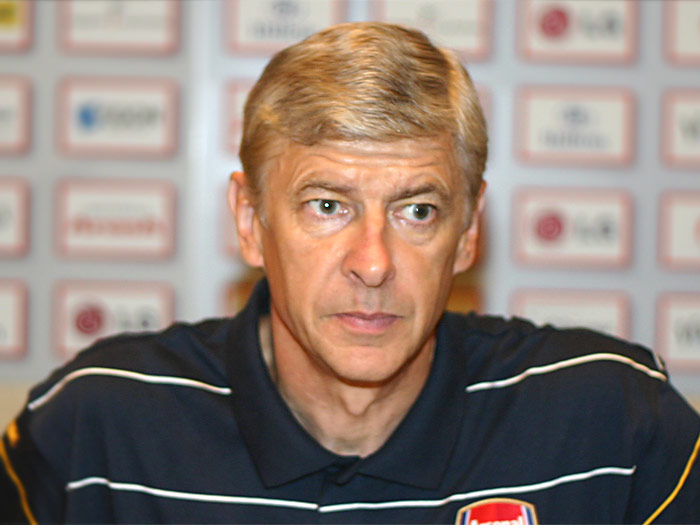
Verovatno nije slučajnost što su redovni direktni prenosi Premijer lige stigli u Srbiju 1996. godine – iste godine kada je Arsen Venger sleteo u London, i to iz Japana, od svih mesta, odlučan da revolucioniše engleski fudbal. Njegov tečan, tehnički stil zasnovan na posedu lopte, ubrzo nazvan „Vengerbol“, bio je drugačiji od svega što je većina srpskih navijača videla prethodnih godina – posebno imajući u vidu stanje balkanskog fudbala devedesetih.
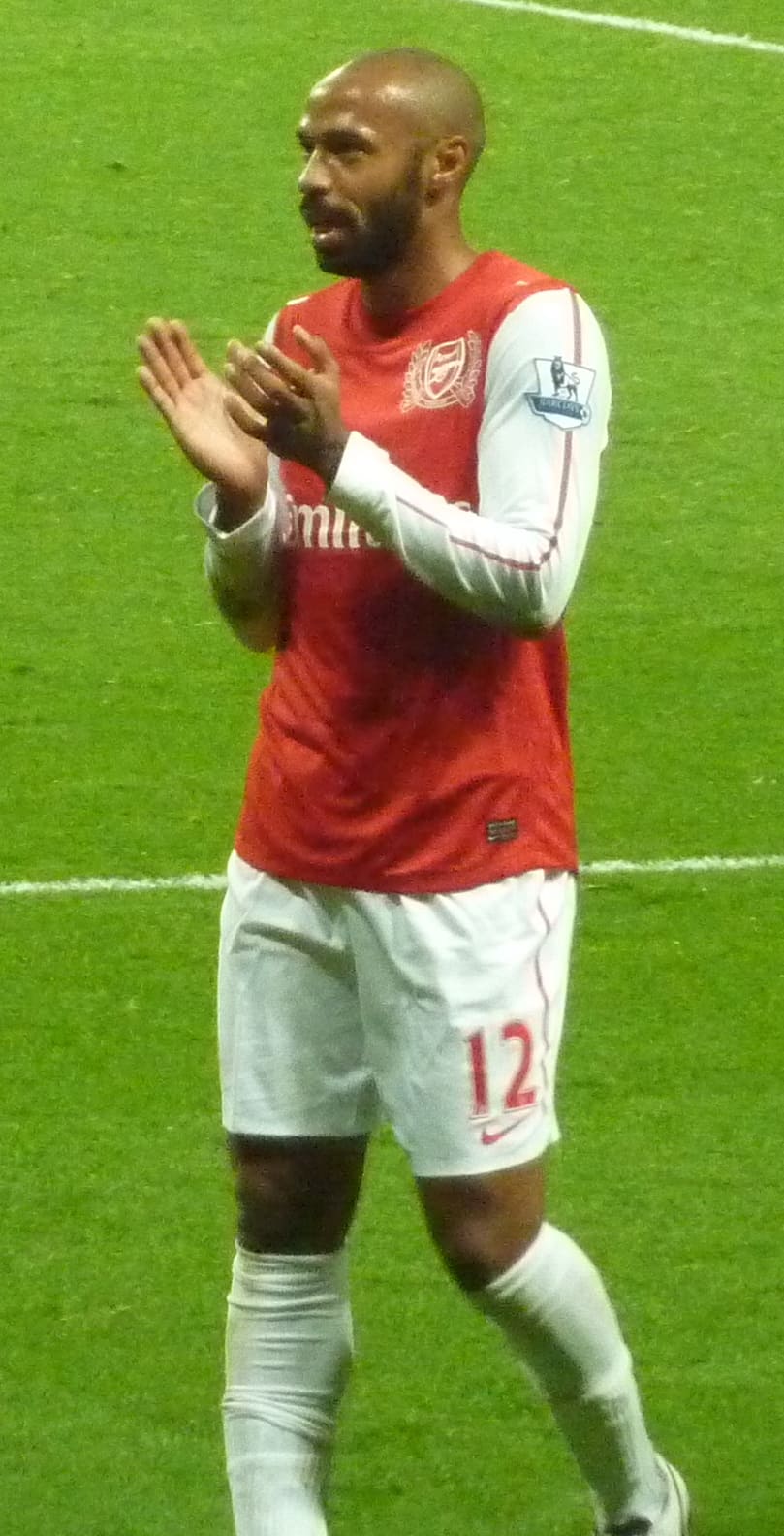
Tjeri Anri je klizio pored defanzivaca kao da su čunjevi na treningu. Denis Bergkamp delovao je kao da može da stvori magiju ni iz čega. Patrik Vijera se pobrinuo da ozloglašeni engleski grubijani retko kada imaju poslednju reč. Arsenal je igrao fudbal koji tada nije imao pravi ekvivalent u Engleskoj, a svakako ne u Srbiji. Venger je uveo revolucionarna i „nečuvena“ nova pravila u svoj tim – poput zabrane čokoladica u autobusu na putu ka utakmici i piva na povratku kući. Ali, uspelo je. Arsenal je igrao sa vetrom u leđa.
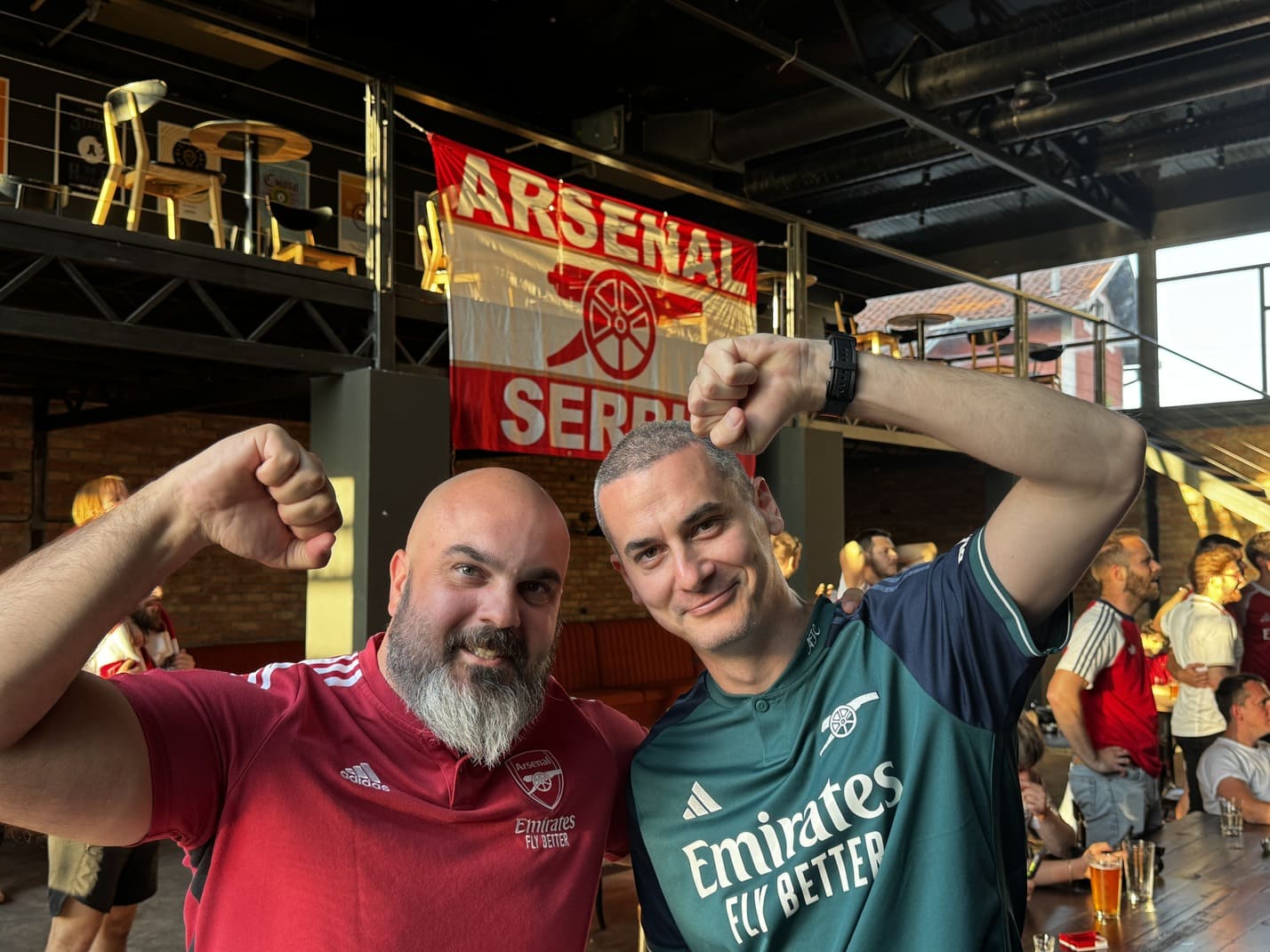
Dodajte tome i činjenicu da Arsenal deli crveno-bele boje sa Crvenom zvezdom, što je verovatno pomoglo da osvoji veliki broj srpskih navijača. Zapravo, mnogi od navijača okupljenih u Dorćol Pivari naveli su boje kluba kao jedan od razloga zbog kojih su prvi put obratili pažnju na Arsenal.
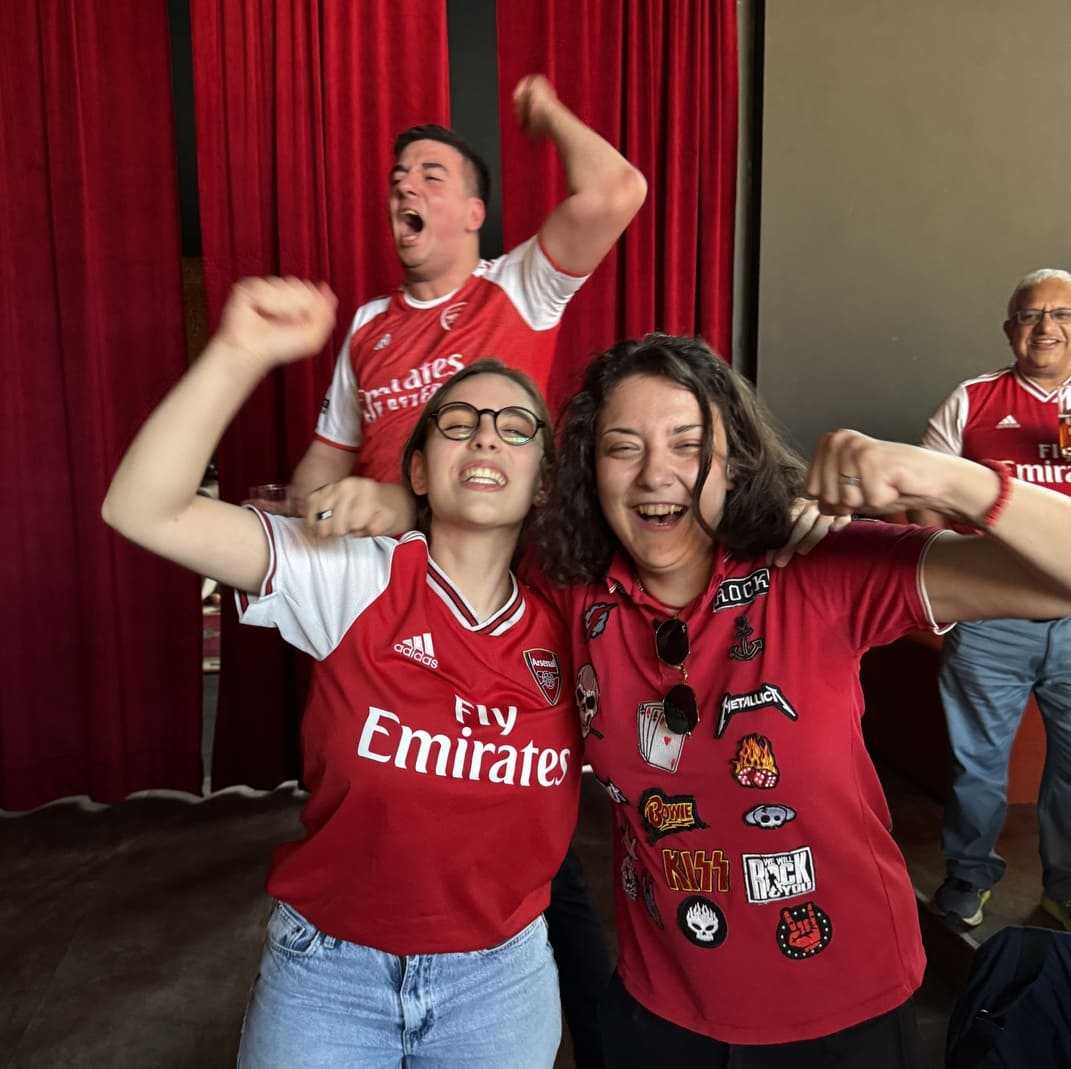
Julija, koja podržava klub već 20 godina, kaže da ju je upravo ta kombinacija boja u početku privukla. Milošu je pomoglo i to što se njegova majka, dok je on bio dečak, jednom vratila sa pijace sa Arsenalovom torbom. Za Filipa, koji je počeo da navija za Arsenal 2003. godine, na vrhuncu moći kluba, čekanje od 22 godine delovalo je beskrajno. Za Duleta i njegovog prijatelja Dragana jednostavno je prošlo previše vremena otkako je Tjeri Anri terorisao protivničke odbrane.
To je slavlje učinilo samo još slađim.
Navijači nisu došli samo iz svih krajeva Srbije, već i iz dalekih zemalja poput Gambije, Sjedinjenih Američkih Država, Ujedinjenog Kraljevstva i Holandije.
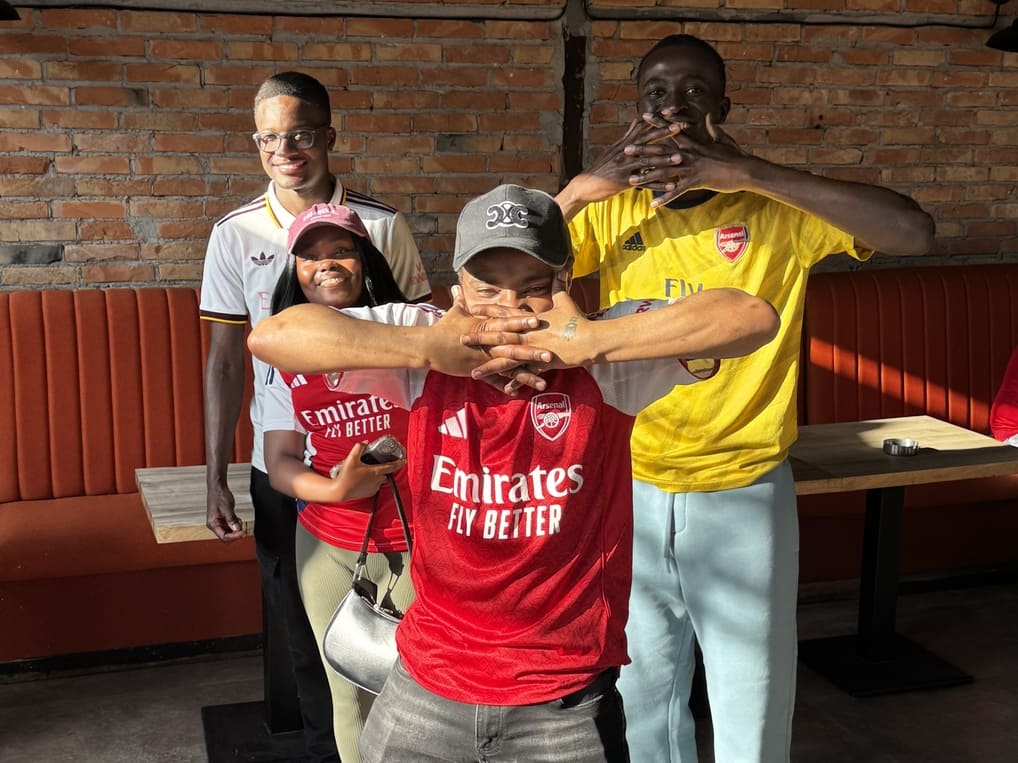
Za Malinea, studenta iz Gambije, Arsenal su mu prvi predstavili drugovi iz srednje škole. Što je više gledao, njegova strast je sve više rasla. Kaže da se obradovao kada je otkrio da u Srbiji postoji Arsenalov navijački klub i da uživa u tome da sa drugim navijačima deli uspone i padove navijanja za Arsenal.
Nav, digitalni nomad iz Ujedinjenog Kraljevstva, redovno se pridružuje beogradskim navijačima kad god je u gradu. Podelio je i priču od koje bi se svaki Arsenalov navijač stresao. Godine 1989. imao je priliku da ode na Arsenalovu odlučujuću utakmicu za titulu protiv Liverpula na Enfildu, ali je odlučio da ne ode.
Do danas se zbog toga kaje.
Te noći Majkl Tomas postigao je gol u 91. minutu, obezbedivši dramatičnu pobedu od 2:0 i jednu od najpoznatijih ligaških titula u istoriji engleskog fudbala.
Što se autora ovog teksta tiče, Arsenal podržavam još od sredine devedesetih. Tada sam igrao za jedan pab tim u Budimpešti sastavljen od Britanaca, Iraca, Mađara i Amerikanaca. Posle utakmica bismo se nagurali u pab, vrlo površno istuširani, i gledali onu utakmicu Premijer lige koja se u tom trenutku prikazivala.
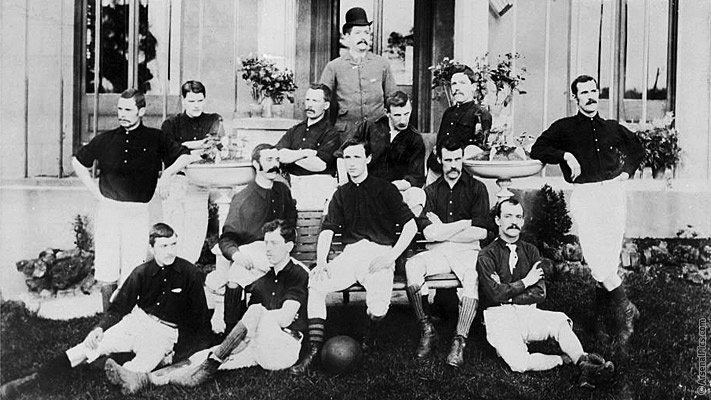
Baš svaki moj saigrač mrzeo je Arsenal.
Svi su želeli da navijam za njihove klubove.
Jednog dana sam im konačno rekao: „Ma nosite se svi. Ja navijam za Arsenal.“
Na sreću, bar moju, Venger je stigao ubrzo zatim. Usledio je lep fudbal. Stigli su i trofeji. A onda je, ubrzo nakon toga, počelo dugo, često bolno, dvodecenijsko čekanje koje je ove sezone konačno završeno.
Opuštena atmosfera u Dorćol Pivari poslednjeg dana sezone bila je dobrodošla promena za Arsenalove navijače, koji su ove sezone izdržali previše trenutaka za nervozu.
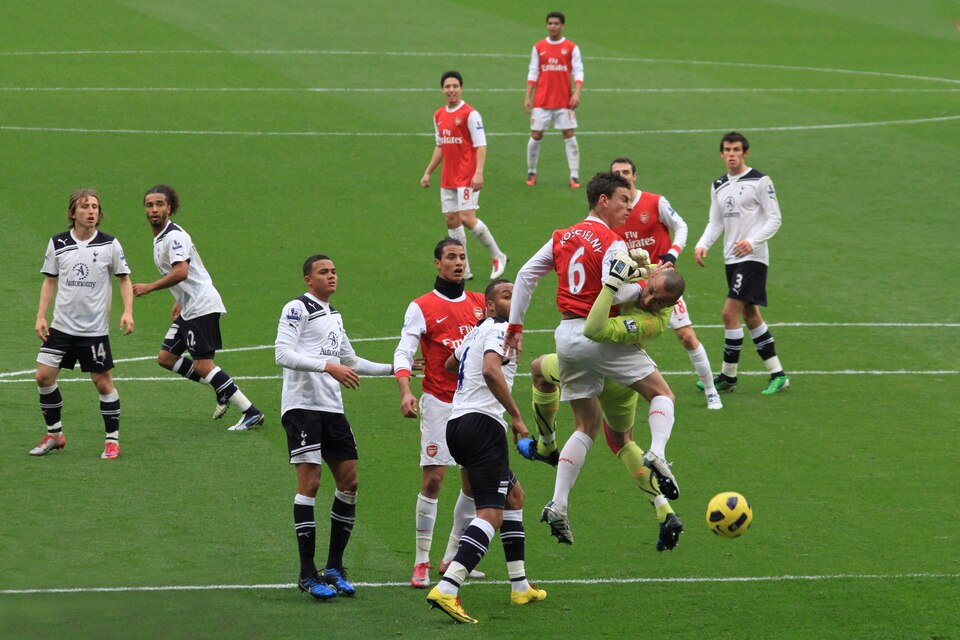
Na kraju krajeva, 15 od Arsenalovih 26 ligaških pobeda ostvareno je jednim golom razlike.
Gledati Arsenal u sezoni 2025–26 nije bila aktivnost za one slabog srca.
Za sve Arsenalove navijače koji nisu slabog srca, a čitaju ovo pre 18.00 časova 30. maja i nisu otputovali u Budimpeštu sa srpskim navijačkim grupama, svi su dobrodošli da zajedno gledaju finale UEFA Lige šampiona u Dorćol Pivari, Dunavska 1B, Beograd.
Rezervacije nisu potrebne. Biće piva i bezalkoholnih pića. Plaćanje je isključivo gotovinom. Hrane neće biti.
Arsenalovi dresovi, šalovi i vudu, kao i supružnici, deca i psi, svi su dobrodošli.
Da budemo pošteni, Arsenalovi navijači nemaju nikakvih zamerki navijačima Pari Sen Žermena. Samo osećaju da bi se navijači PSŽ-a možda prijatnije osećali gledajući utakmicu na nekom od hiljada drugih mesta širom Srbije koja takođe prenose finale – možda uz nešto „moderniju“ muziku i malo manje fudbalskog komentarisanja.
Za nas ostale, ponovo će biti vreme za stiskanje zuba.
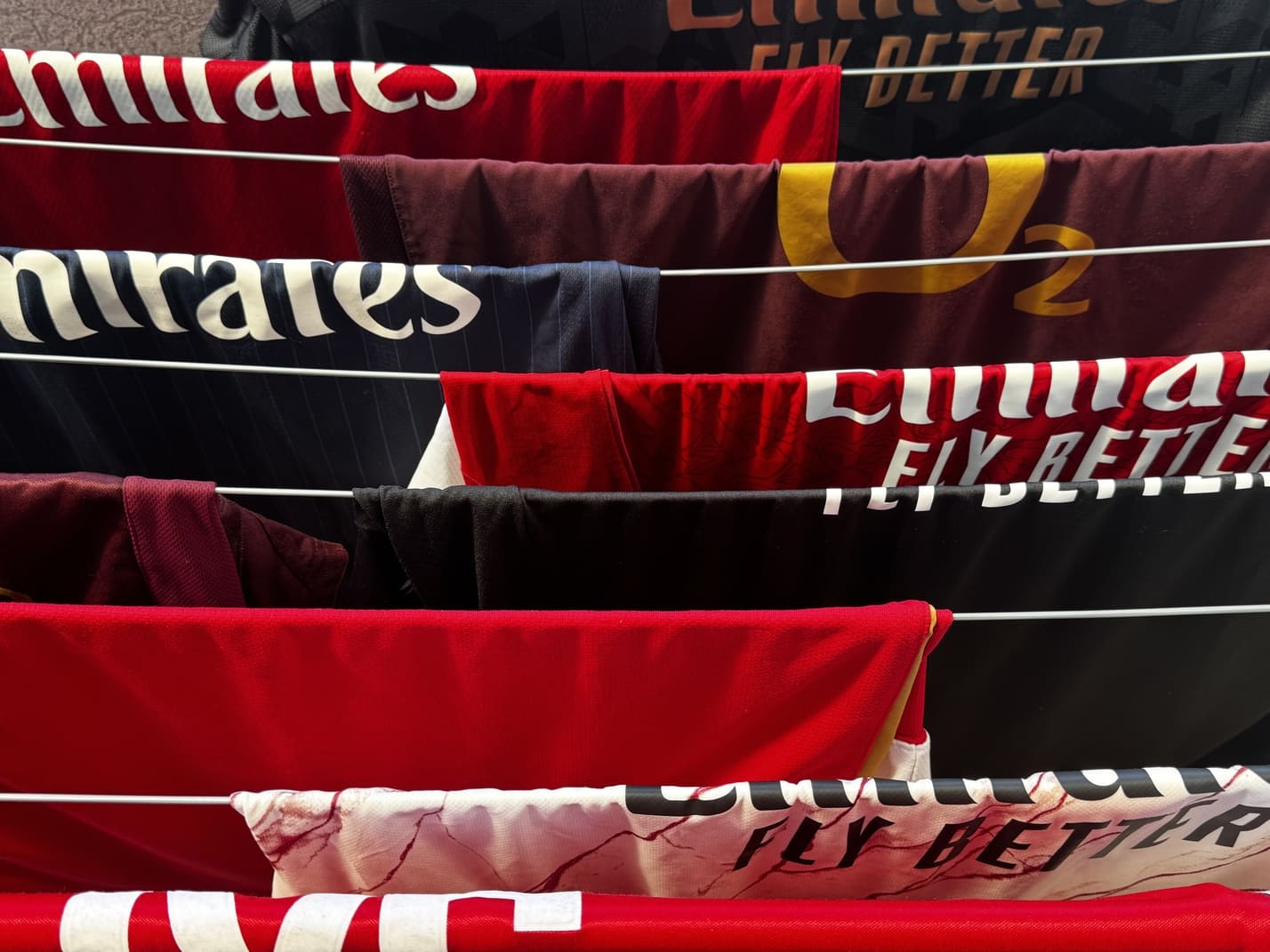
A ako više volite da finale Lige šampiona gledate kod kuće, sa svojim vudu ritualima, znajte da će Arsenal Srbija biti tu, sledeće sezone i svake sezone posle toga…
Nadajmo se da nećemo čekati još 22 godine.
AUTOR: Dejvid Karman
In 2004, Facebook, Gmail and the Nintendo DS were launched. There were no iPhones, YouTube, Spotify or streaming Netflix as we know it today. If you were an English Premier League supporter in Serbia, chances are you were watching matches on BK TV.
That same year, Arsenal completed the entire 2003–04 Premier League season unbeaten, becoming “The Invincibles” and extending a remarkable run that would eventually reach 49 matches without defeat.
Fast forward to May 24 this year. Nearly 100 Arsenal supporters from across Serbia – including members of the club’s four official supporters’ groups in Belgrade, Novi Sad, Smederevo and Obrenovac – gathered in Belgrade to celebrate Arsenal’s first league title since 2004.
For many, including club Vice President Miloš Vukelić, who has supported Arsenal for more than three decades, the wait lasted 22 long years.

It is probably no coincidence that regular live Premier League broadcasts arrived in Serbia in 1996 – the same year Arsène Wenger had touched down in London (from Japan of all places) determined to revolutionise English football. His fluid, technical, possession-based style, soon dubbed “Wengerball”, was unlike anything most Serbian fans had seen in several years – considering the state of Balkan football in the 90s.
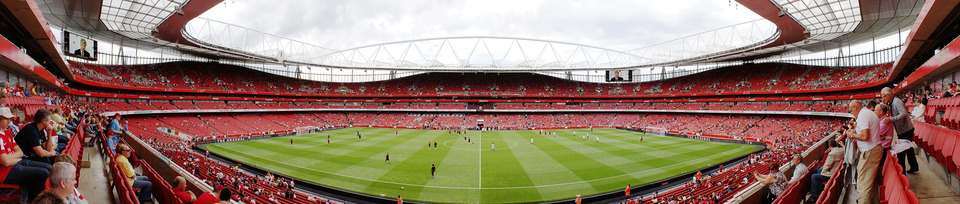
Thierry Henry glided past defenders as if they were training cones. Dennis Bergkamp seemed capable of producing magic from thin air. Patrick Vieira ensured that England’s notorious hard lads rarely got the last word. Arsenal played football that had no real equivalent in England and certainly not in Serbia at that time. Wenger had introduced revolutionary and „outrageous“ new policies to his team – like banning candy bars on the bus to the match and beers on the way home. But, it worked. Arsenal were playing with the wind in their sails.
Add to that that Arsenal shares its red-and-white colours with Crvena zvezda probably helped win over plenty of Serbian supporters. In fact, many of the fans gathered at Dorćol Pivara cited the club’s colours as one of the reasons they first took notice of Arsenal.
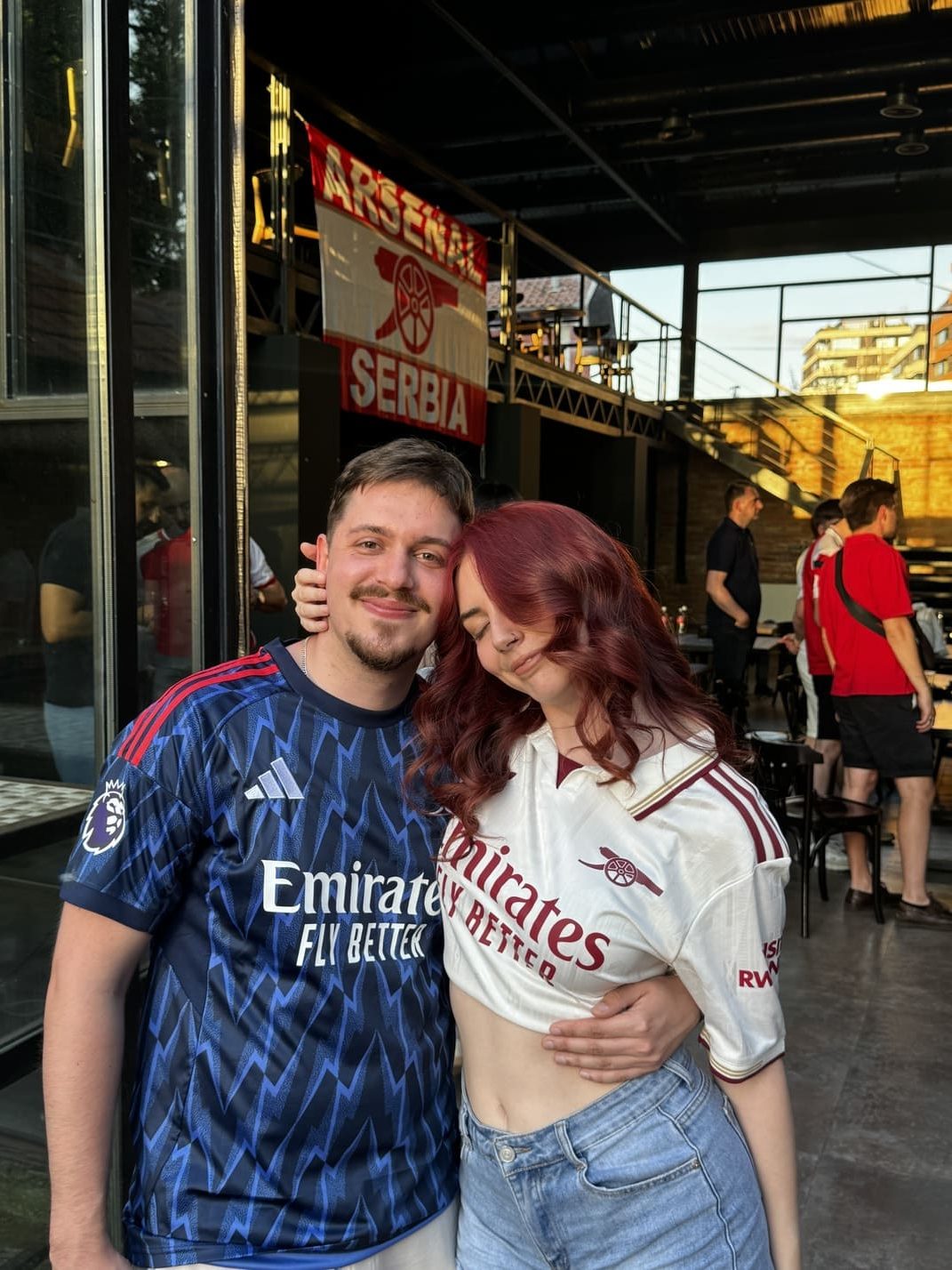
Julija, who has supported the club for 20 years, says the colour scheme initially drew her in. For Miloš, it also helped that his mother once came home from the market with an Arsenal bag when he was a boy. For Filip, who started supporting Arsenal in 2003 at the height of the club’s powers, the 22-year wait felt endless. For Dule and his friend Dragan, it had simply been too long since Thierry Henry was terrorising opposition defences.
That only made the celebration sweeter.
Supporters came not only from across Serbia but also from as far away as Gambia, the United States, the United Kingdom and the Netherlands.
For Maline, a university student from Gambia, it was his high-school classmates who first introduced him to Arsenal. The more he watched, the deeper his passion grew. He says he was delighted to discover there was an Arsenal supporters’ club in Serbia and enjoys sharing the highs and lows of supporting Arsenal with fellow fans.
Nav, a digital nomad from the UK, regularly joins the Belgrade supporters whenever he is in town. He also shared a story that would make any Arsenal fan wince. In 1989, he had the opportunity to attend Arsenal’s decisive title clash against Liverpool at Anfield but chose not to go.
To this day, he regrets it.
That night, Michael Thomas scored in the 91st minute to secure a dramatic 2-0 victory and one of the most famous league titles in English football history.
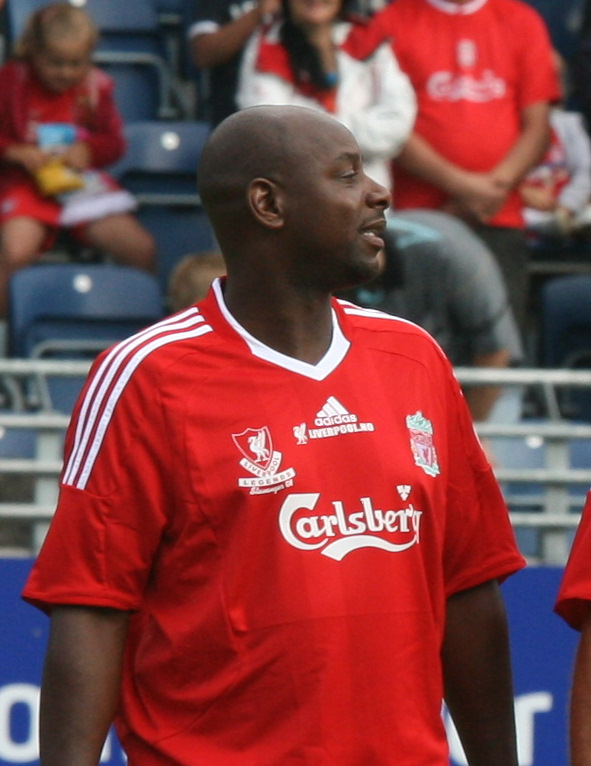
As for this writer, I have been supporting Arsenal since the mid-1990s. Back then, I played for a pub team in Budapest made up of Brits, Irishmen, Hungarians and Americans. After matches, we would pile into a pub (very lightly showered) and watch whichever Premier League game happened to be on.
Every single one of my teammates hated Arsenal.
They all wanted me to support their clubs instead.
One day I finally told them:
“Screw all of you. I’m supporting Arsenal.”
Thankfully, for me anyway, Wenger arrived soon afterwards. Beautiful football followed. So did trophies. Then, soon after, came the long, often painful, two-decade wait that finally ended this season.
The relaxed atmosphere at Dorćol Pivara on the final day of the campaign was a welcome change for Arsenal supporters, who had endured far too much squeaky bum time this season.
After all, 15 of Arsenal’s 26 league victories came by a single goal.
Watching Arsenal in 2025–26 was not an activity for the faint-hearted.
For any non-faint-hearted Arsenal supporters reading this before 18:00 on May 30 and who did not travel to Budapest with the Serbian supporters’ groups, everyone is welcome to watch the UEFA Champions League Final together at Dorćol Pivara (Dunavska 1B, Belgrade).
No reservations are required. Beer and soft drinks will be available. Cash only. There will be no food.
Arsenal shirts, scarves and voodoo (as well as spouses, kids and dogs) are all welcome.
To be fair, Arsenal supporters have no grievances with PSG fans. They merely feel PSG supporters might feel slightly more comfortable watching the match at one of the thousands of other venues around Serbia also showing the final – perhaps with somewhat more “fashionable” music and slightly less football commentary.
For the rest of us, it will be squeaky bum time once again.
And, if you prefer to watch the UCL Final at home with your voodoo, know that Arsenal Serbia will be there, next season and every season after that…
Hopefully, we won’t be waiting another 22 years!
AUTHOR: DAVID KAHRMANN
