

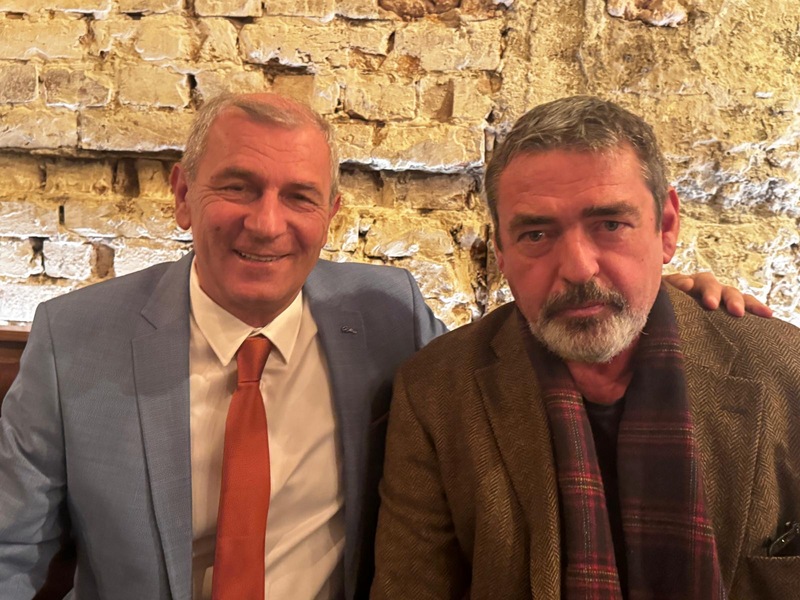
Film „Žetva“ danas je relevantniji nego ikada, zbog mračnih stvari koje izlaze na videlo – trgovina ljudima, pedofilija i ratovi u kojima se bombarduju ljudi i deca neselektivno – kaže svetski poznati glumac Angus Makfadjen (Angus Macfadyen) na početku razgovora za Princip magazin.
Jednu od upečatljivijih uloga u aktuelnom bioskopskom repertoaru ostvaruje upravo škotski glumac, kojeg domaća publika pamti iz čuvenog filma „Hrabro srce“ reditelja Mela Gibsona. Glumio je i u ostvarenjima „Robert the Bruce“, „Equilibrium“, „The Lost City of Z“, „Blackbeard“, „Spartacus“ i mnogim drugim. Od škotskih visoravni „Hrabrog srca“ do Kosova i Metohije i filma „Žetva“, snimljenog prema romanu „Srpsko srce Johanovo“ Veselina Dželetovića, projekta od kojeg su mnogi glumci odustali usled pretnji, pritisaka i ucena – Angus Makfadjen je pokazao da hrabrost kod njega nije samo na filmskom platnu, već da je duboko isklesana i u njegovom srcu.
Igrani film „Žetva“ prati priču o nemačkom baronu Johanu fon Vagneru, koji nakon ilegalne transplantacije srca počinje da ima uznemirujuće snove i vizije. Vođen sećanjima koja ne pripadaju njegovom životu, Johan kreće u potragu za istinom koja ga vodi na Kosovo i Metohiju. Tamo se suočava sa mračnom realnošću ilegalne trgovine organima i pričom o ozloglašenoj „Žutoj kući“. Angus Makfajden u filmu tumači misterioznog narednika koji pomaže glavnom junaku da dođe do odgovora.
Rekli ste da tek sada mnoge mračne stvari izlaze na videlo i da je ovo pravi trenutak za premijeru filma „Žetva“?
Da, mislion sam na slučaj Džefrija Epštajna (Jeffrey Epstein). Tokom poslednje dve godine videli smo da sve te stvari poput trgovine ljudima, pedofilije i ratova idu zajedno i da sve više ljudi gledaju na to i pitaju se šta mi uopšte možemo da uradimo da to zaustavimo, jer deluje demonski, ali istovremeno kao da je sve to prihvaćeno.

S obzirom na to šta znate o događajima povezanim sa trgovinom organima, odnosno o „Žutoj kući“, kako gledate na činjenicu da niko nije procesuiran, odnosno da je to „Zločin bez kazne“?
To me zapravo ne iznenađuje u današnje vreme, jer izgleda da nigde nema odgovornosti – nema odgovornosti za ubijanje dece u Gazi, za ubijanja koja su se upravo desila u Iranu, nema odgovornosti za količinu korupcije širom sveta. Nema odgovornosti nigde, osim, znate, kada, na primer, Sjedinjene Američke Države odluče da će biti odgovornosti za ovog Venecuelanca. Tako da me to uopšte ne iznenađuje, ali to ne znači da se to ne bi trebalo dogoditi. Takođe je uznemirujuće govoriti o ovim stvarima, jer kakav je to svet u kome živimo? Neću reći „živeli“ na to. Sve je mračnije. Nema odgovornosti ni za Epštajna, ni za bilo koga povezanog s tim. Mislim, nešto malo se dešava u Velikoj Britaniji, ali koliko je to dugo trajalo? Princ Endru. Strašno je.
PROČITAJTE I OVAJ TEKST:
Boravili ste na Kosovu i Metohiji pre 25 godina, tako da ste već tada bili upoznati sa složenom situacijom na ovim prostorima?
Da, u Prištini sam držao koncert za decu. Tamo smo imali program sa poezijom i muzikom, a pripadnici UČK-a su bili obezbeđenje. Radili su razne stvari i nisu bili dobri ljudi, iskreno govoreći – bili su nasilni. To su bili momci obrijanih glava, u Armani odelima i sa oružjem, koji su gurali ljude unaokolo. Plašili su decu za koju je koncert bio organizovan, pretili su im da će im polomiti ruke i slično. To sam vrlo snažno zapamtio i podsetilo me je na sve to. Imao sam osećaj da o tome znam nešto lično, a ne samo iz knjiga.

Možete li nam reći nešto više o liku narednika kojeg tumačite u filmu „Žetva“?
Moj lik je pomalo misteriozan. Ne znate zapravo odakle dolazi, jer govori mnogo jezika i prevodilac je. Zbog toga deluje kao neko ko zapravo nema svoju zemlju. Ima veliku dušu, ali nema zastavu iza koje stoji. On je jednostavno tu da pomaže ljudima, naročito onima za koje oseća da je moralno ispravno da im pomogne. Ali ima veoma snažne moralne standarde.
Kako ste se uživeli u lik i kako ste gradili njegovu unutrašnju transformaciju od trenutka neznanja do spoznaje istine?
Kada sam pročitao scenario, delovalo mi je nekako veoma poznato na neki način. Iako zapravo ništa ne znam o tom svetu, jednostavno mi je „legao kao rukavica“. Ne, meni je to delovalo potpuno racionalno razmišljanje. Slično mom sopstvenom, iskreno govoreći. Bilo bi teško da sam morao da igram čoveka koji obavlja operacije za trgovinu organima ili prodaje ljude. Bilo bi mnogo teže razumeti zašto ljudi rade takve zle stvari.
Snimali ste uglavnom u južnoj Srbiji, u Pirotu i Boru. Kako ste doživeli te krajeve?
Bor mi je bio omiljeno mesto, iako je izuzetno siromašan i ima mnogo karaktera. Boravili smo u hotelu koji je bio jedan od Titovih starih hotela – neverovatna zgrada. Uđete unutra i svuda oko vas je ogroman mermer, prostor koji se prostire u nedogled na obe strane, velika recepcija bez ikoga iza pulta, samo ogroman prazan prostor. Pomislite: zaista pokušavaju da vas impresioniraju. A onda odete u svoju sobu – i to su male, skromne sobice, nameštaj se raspada, kreveti od trulog drveta, sve je sitno i pomalo neugledno. To me je navelo da razmišljam kako je sve zapravo bilo u znaku utiska spolja, dok su same sobe bile čisto funkcionalne.

Na početku onoga što ste rekli zvuči kao da radite turističku promociju Bora, što nije lak zadatak.
Da, samo mi je to bilo vrlo zabavno. Ta veličanstvenost, a zatim – evo vaše sobe. Očekujete ogroman luksuzni apartman, a dobijete malu sobu. To mi je bilo veoma zanimljivo. Imao sam priliku da dosta putujem po Srbiji i to mi je uvek prijalo.
Šta vam se najviše dopalo u Srbiji i kakav je vaš odnos prema njoj?
Rakija. Počelo je sa rakijom. Imali smo mnogo večera, družili smo se i svi su ovde tako ljubazni. Naravno, obožavam hranu i doručke – jaja su prava, mleko je pravo, med, o Bože… Sve te stvari danas više ne dobijate ako živite u Americi ili u evrozoni. Zaista je lepo doći ovde i jesti ukusnu hranu. Sve me podseća na Francusku sedamdesetih godina, pre nego što se dogodilo to „evro ludilo“ i pre velikih supermarketa, kada je sve bilo samo prelepa priroda i bilo je zaista prijatno boraviti tamo. Imao sam taj osećaj da me podseća na stara vremena. Zaista sam se lepo proveo, bio sam u divnim restoranima i upoznao sjajne ljude koji su neverovatno ljubazni i veoma mi je drago što sam ponovo došao. Čak razmišljam i o tome da se preselim ovde.

Kakav su utisak na Vas ostavili ljudi u Srbiji?
Jedna od stvari koje mi se najviše dopadaju su ljudi ovde, njihova toplina i inteligencija, jer mislim da ljudi ovde nisu toliko indoktrinirani kao u drugim delovima Evrope i sveta. Naravno, tu je i rakija, u kojoj zaista uživam, posebno šljivovica. Zaista je dosta jaka i veoma ukusna.
Kako Srbi reaguju kada saznaju da ste igrali u filmu „Hrabro srce“?
Da, da, kažu da je priča Škotske priča Srbije. Iako zapravo imaju svoju nezavisnost, Škotska je i dalje poslednja kolonija Engleskog carstva. Tako da, da, potpuno su voleli film i nekako je lepo doći ovde i biti cenjen. Barem u Srbiji, jer izgleda da su svi ostali krenuli dalje, znate. Gledaju Kardašijane ili šta god već danas svi gledaju.
PROČITAJTE I OVAJ TEKST:
Nesuđena oficirka Sara Cizelj sanja o saradnji sa Skorsezeom
Angus Macfadyen for Princip: The film Harvest is more relevant today than ever
“The film Harvest is more relevant today than ever because of the dark things that are coming to light – human trafficking, pedophilia, and wars in which people and children are bombed indiscriminately,” world-renowned actor Angus Macfadyen says at the beginning of his conversation with Princip magazine.
One of the most striking performances currently in cinemas is delivered precisely by the Scottish actor, whom domestic audiences remember from the famous film Braveheart, directed by Mel Gibson. He has also appeared in Robert the Bruce, Equilibrium, The Lost City of Z, Blackbeard, Spartacus, and many others. From the Scottish Highlands of Braveheart to Kosovo and Metohija and the film Harvest, based on the novel Serbian Heart of Johan by Veselin Dželetović – a project many actors abandoned due to threats, pressure, and blackmail – Angus Macfadyen demonstrated that courage, in his case, does not exist only on screen, but is deeply carved into his heart.
The feature film Harvest follows the story of German Baron Johann von Wagner, who begins to experience disturbing dreams and visions after undergoing an illegal heart transplant. Guided by memories that do not belong to his own life, Johann sets out in search of the truth, which leads him to Kosovo and Metohija. There he confronts the dark reality of illegal organ trafficking and the story of the infamous “Yellow House.” In the film, Angus Macfadyen plays a mysterious sergeant who helps the protagonist reach answers.
You said that many dark things are only now coming to light and that this is the right moment for the premiere of the film Harvest?
Yes, I was thinking of the Jeffrey Epstein case. Over the past two years we have seen that all these things — human trafficking, pedophilia, and wars – go together, and more and more people are looking at this and asking what we can actually do to stop it, because it feels demonic, yet at the same time it seems as if it is all somehow accepted.
Given what you know about events connected with organ trafficking, specifically the “Yellow House,” how do you view the fact that no one has been prosecuted – that this remains, essentially, a crime without punishment?
That doesn’t really surprise me in the present day and age, because there doesn’t seem to be any accountability anywhere — no accountability for the killing of children in Gaza, for the killings that have just taken place in Iran, no accountability for the level of corruption across the world. There’s no accountability anywhere, except, you know, when, for example, the United States decides there’s going to be accountability for some Venezuelan guy. So it doesn’t surprise me at all, but that doesn’t mean it shouldn’t happen. It’s also upsetting to talk about these things, because what kind of a world do we live in? I won’t say “cheers” to that. Things are getting darker. There’s no accountability for Epstein either, or for anyone connected to that. I mean, something is happening in the United Kingdom, but how long did that take? Prince Andrew. It’s terrible.
You spent time in Kosovo and Metohija 25 years ago, so you were already familiar with the complex situation in the region back then?
Yes, we held a concert for children in Priština. We had a program with poetry and music there, and members of the KLA were acting as security. They were doing all kinds of things and they were not good people, frankly speaking – they were violent. They were guys with shaved heads, wearing Armani suits and carrying weapons, pushing people around. They frightened that children the concert was meant for, threatening to break their arms and things like that. I remember that very strongly and it reminded me of all of this. I had the feeling I knew something about it personally, not just from books.
Can you tell us more about the character of the sergeant you portray in Harvest?
My character is somewhat mysterious. You don’t really know where he comes from, because he speaks many languages and he’s a translator. Because of that, he seems like someone who doesn’t really have a country. He has a big soul, but no flag he stands behind. He is simply there to help people, especially those he feels it is morally right to help. But he has very strong moral standards.
How did you immerse yourself in the role, and how did you build his inner transformation from ignorance to the realization of the truth?
When I read the script, it somehow felt very familiar to me in a certain way. Even though I actually don’t know anything about that world, it just fit me like a glove. No, it seemed completely rational thinking to me. Similar to my own, quite frankly. It would have been difficult if I had to play someone performing operations connected to organ trafficking or selling people. It would have been much harder to understand why people do such evil things.
Most of the filming took place in southern Serbia, in Pirot and Bor. How did you experience those areas?
Bor was my favorite place, even though it is extremely poor it has a lot of character. We stayed in a hotel that was one of Tito’s old hotels – an incredible building. You walk inside and there is marble everywhere around you, space stretching endlessly in both directions, a huge reception desk with no one behind it, just this enormous empty space. You think: they really are trying to impress you. And then you go to your room – and they are tiny, modest little rooms, the furniture falling apart, beds made of rotting wood, everything small and slightly shabby. It made me think about how everything was really about outward appearance, while the rooms themselves were purely functional.
At the beginning of what you said it almost sounds like you’re doing a tourism promotion for Bor, which is not an easy task.
Yes, I just found it very amusing. That grandeur – and then, here is your room. You expect a huge luxury suite, and you get a small room. I found that very interesting. I’ve had the chance to travel quite a lot around Serbia and I’ve always enjoyed it.
What did you like most about Serbia, and what is your relationship with it?
Rakija. It started with rakija. We had many dinners, spent time together, and everyone here is so friendly. Of course, I love the food and the breakfasts – the eggs are real, the milk is real, the honey, oh my God… You don’t really get those things anymore if you live in America or in the Eurozone. It’s really wonderful to come here and eat delicious food. Everything reminds me of France in the 1970s, before all that “Euro madness” and the big supermarkets, back everything was just beautiful countryside and it was truly pleasant to be there. I had the feeling it reminded me of the old days. I had a great time, I visited wonderful restaurants and met amazing people who are incredibly kind, and I’m very glad I came back. I’m even thinking about moving here.
What impression did people in Serbia leave on you?
One of the things I like most are the people here, their warmth and intelligence, because I think people here are not as indoctrinated as they are in other parts of Europe and the world. And of course, there’s rakija, which I really enjoy, especially plum rakija. It’s quite strong and very tasty.
How do Serbs react when they learn you starred in Braveheart?
Yes, yes, they say that the story of Scotland is the story of Serbia. Even though they actually have their independence, Scotland is still the last colony of the English Empire. So yes, they completely loved the film and it’s kind of nice to come here and be appreciated. At least in Serbia, because everybody everywhere to have moved on, you know. They’re watching the Kardashians or whatever it is everyone watches these days.
PROČITAJTE I OVAJ TEKST:

Najbolji filmovi 2025: godina koja je vratila veru u autorski film
